
Design & Development
Far-UK designs lightweight structures and components for applications with complex specifications and demanding mechanical performance requirements.
In Design and Development we use specialist design techniques such as Finite Element Analysis to provide production-ready solutions that are more sustainable, more affordable and more practical to manufacture.
Benefits of better design
Reduced weight
If it moves, then making it lighter makes it more efficient – particularly in transport, aerospace and satellite communications.
LESS COMPLEXITY
As part of our design process, we factor in ways to reduce the complexity of running the production operation.
This can mean minimising the piece part count, simplifying the production layout or designing a process that compresses the supply chain.
LESS MATERIAL WASTE
We aim to eliminate the waste that occurs both from overspecification of materials and from the process yield within manufacturing.
LOWER ENVIRONMENTAL IMPACT
Our design techniques allow us to choose the materials that will give the best overall solution to sustainability.
That might mean using a lighter material that minimises emissions, or a slightly heavier raw material that has a lower carbon footprint, such as naturally-derived materials like bioresins and natural fibres.
LOWER COSTS
Our strong background in the automotive industry drives our design principles to ensure that there is an economically feasible manufacturing solution.
We establish viable processes that will keep production costs to a minimum such as low start-up and piece part costs. We have also designed solutions that give lower service and operating costs.
Design faqs
Traditionally composites have tended to be offered as much longer lasting then steel as they don’t rust. In recent years the importance of end-of-life arrangements have become more important and composites designs and chemistries have evolved. Composites now offer many bio-derived options for much lower environmental impact and significantly better end-of-life solutions too.
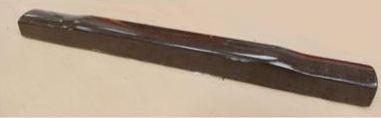
Traditional materials like metals have the same mechanical properties in all three dimensions (X, Y and Z). Composites can have different mechanical properties in X, Y and Z. This makes them much more versatile for designers. And for customers it means that when you only need strength in one dimension you only need to pay for strength in one dimension.
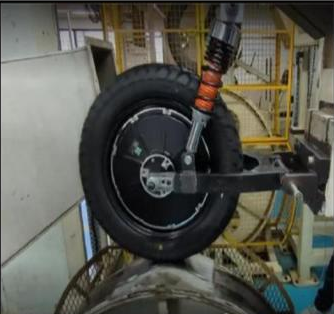
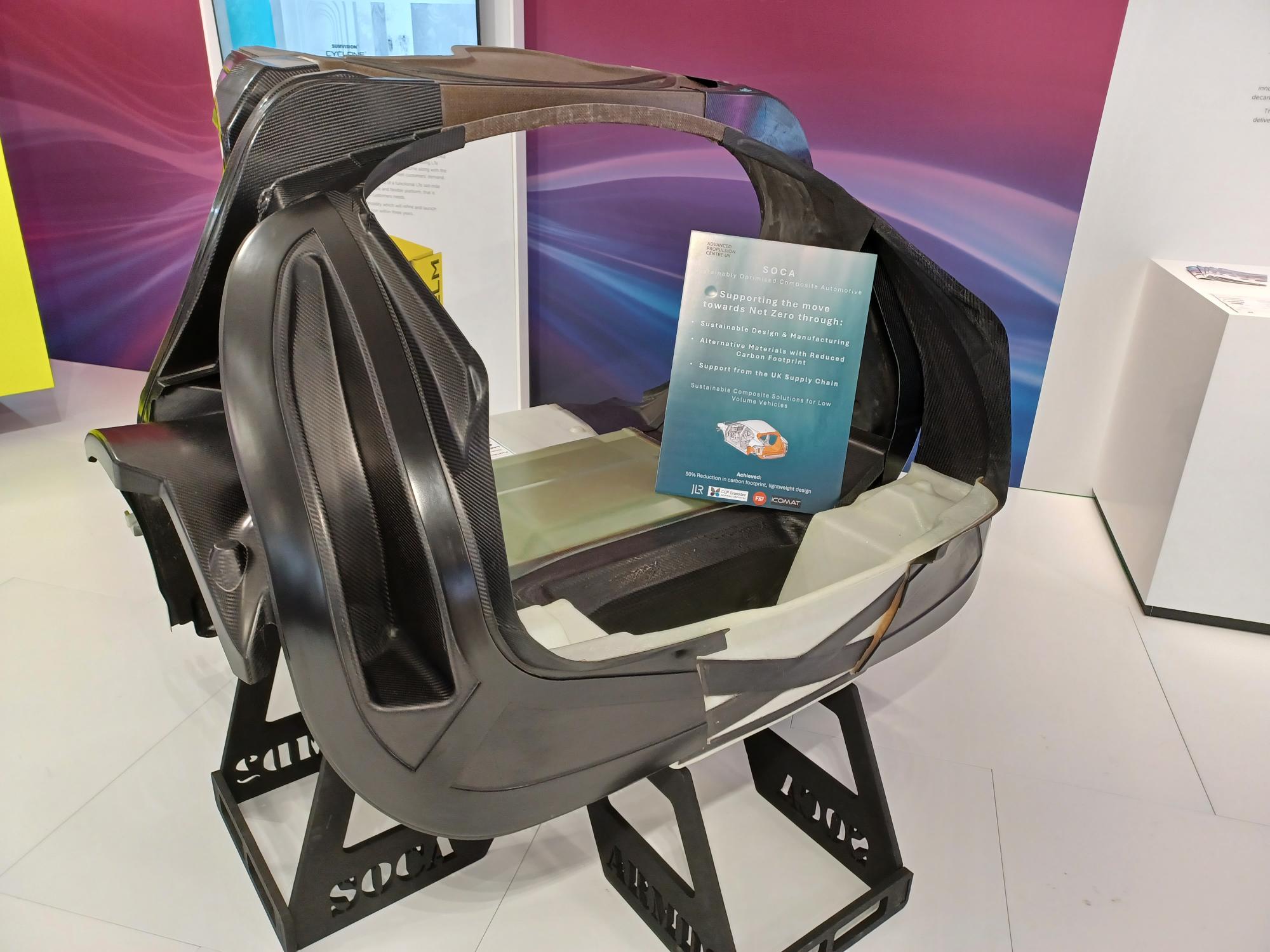
Making structural composites more environmentally friendly isn’t just about making them lighter. It’s also about working through the whole lifecycle. Starting with our own life cycle analysis tool to shape material selections that are more sustainable, to using materials that have a lower impact, manufacturing methods that are socially responsible as well as designing for end of life.
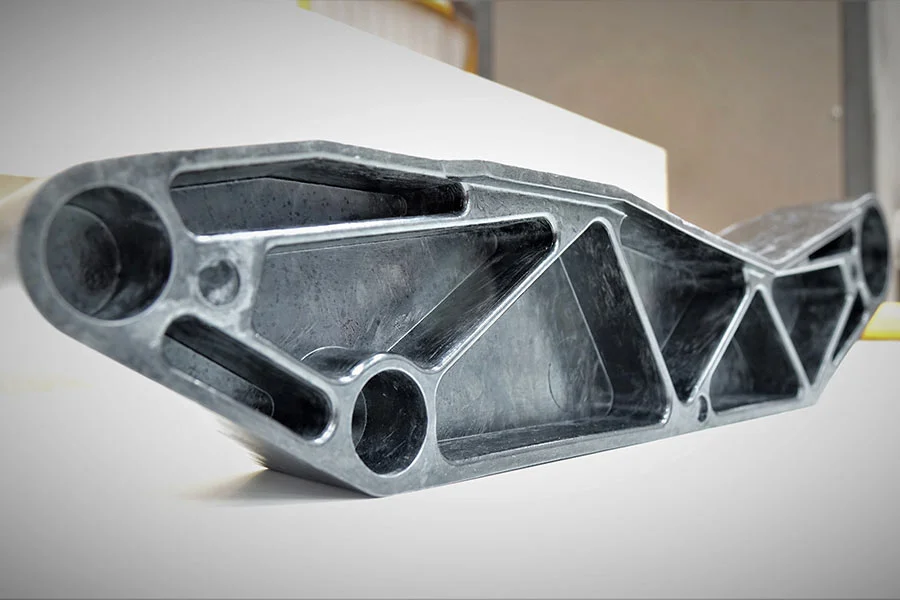
Converting a part from metal to composite isn’t a straightforward transition. Composites behave very differently from metals and drawing out the strengths of composites is why we developed a design methodology that results in a functioning lightweight composite part. We call this process BlackMetal™ which we successfully used to create this lower control arm.
With years of automotive experience we understand the importance of focusing on Takt time rather than cycle time. Our HiLiTe process has been developed specifically to achieve a sub 1 minute Takt time by focusing on Flow, and the technology has been developed to work for epoxy carbon fibre composites.
Making the body structure of vehicles substantially lighter requires an innovative design process. Far-UK has developed a set of design techniques to make such weight savings possible. Applying our Analysis Led Design tool kit to a spaceframe body structure enabled the benefits of carbon fibre to be exploited in this rail carriage design.
